


What is the Luhimba Project?
The Luhimba Project is a small UK charity, based in Weston-super-Mare, which has been supporting the remote community of Luhimba and surrounding areas in Tanzania, East Africa since 1984.
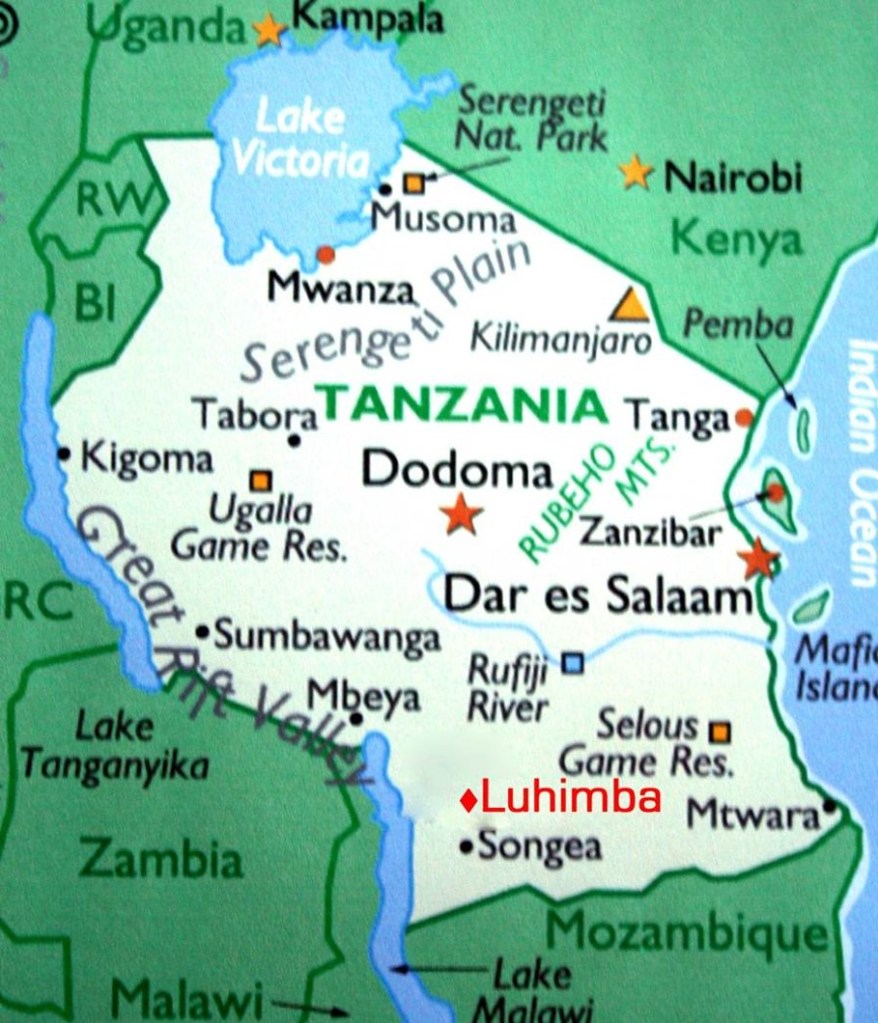
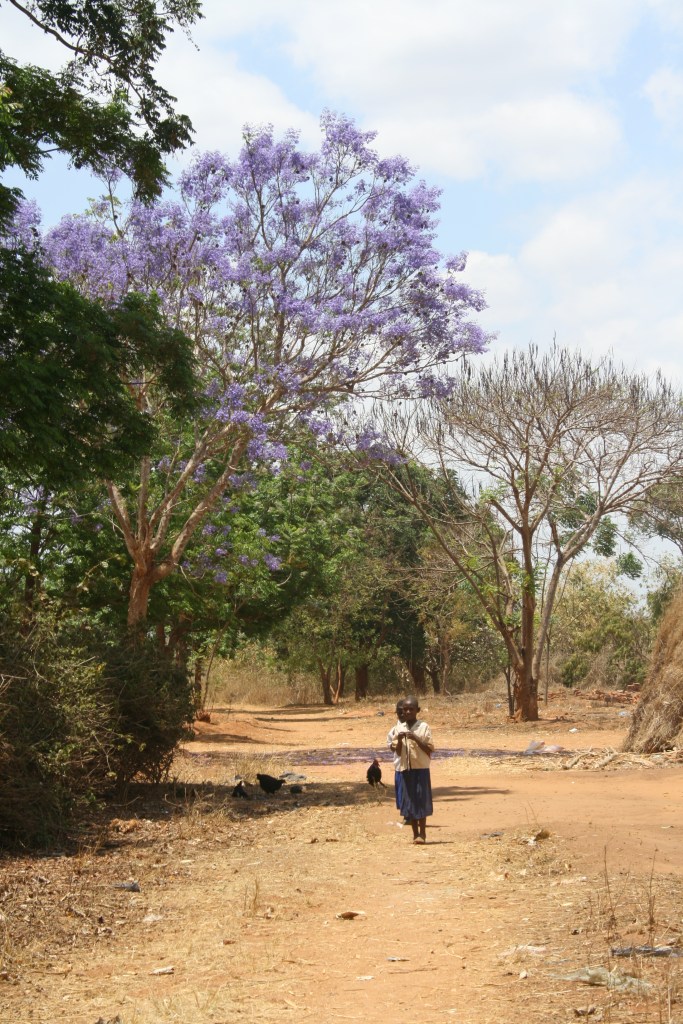
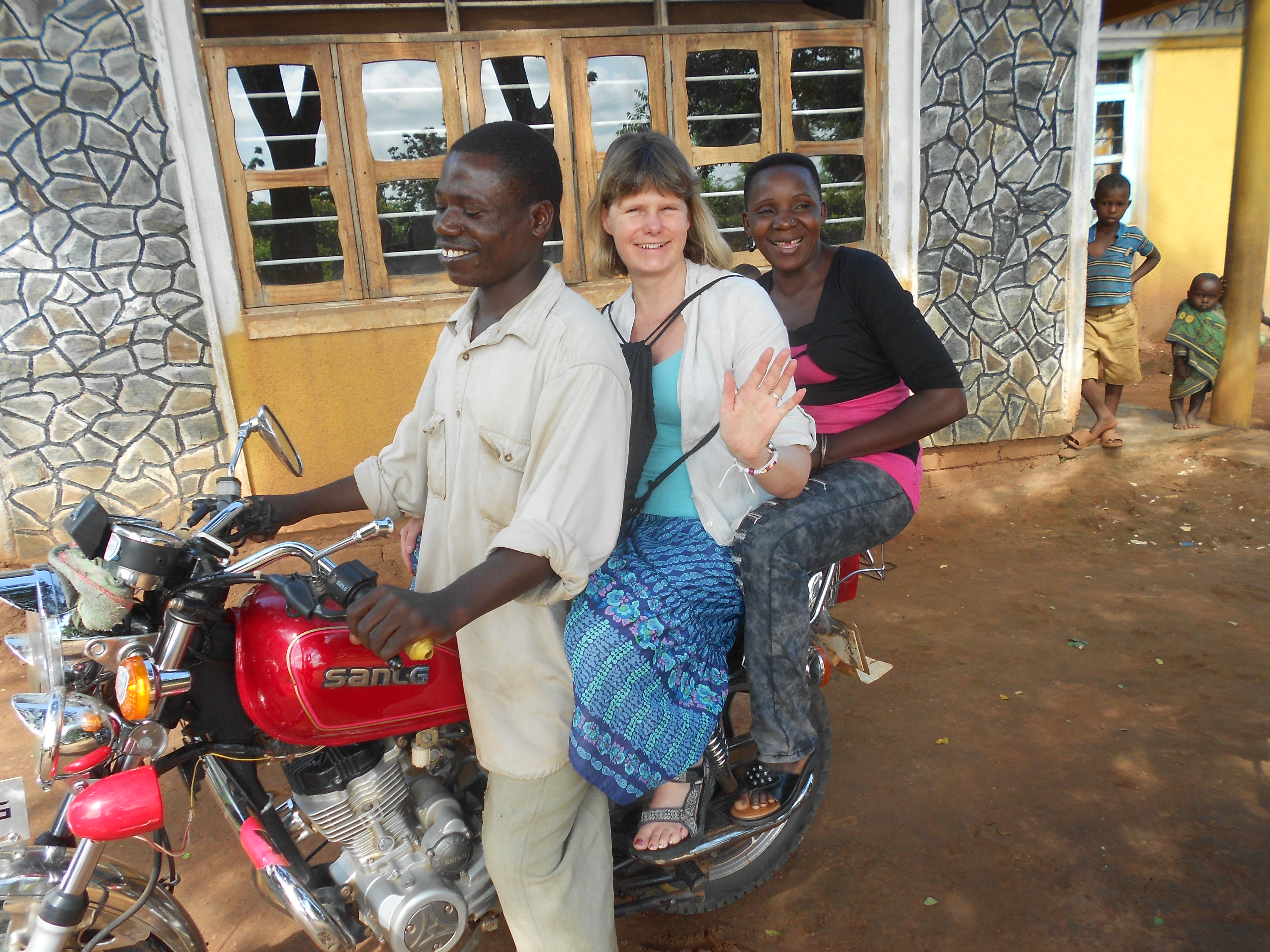
Luhimba is a remote village in the Ruvuma region of Southern Tanzania. It is situated 32 km north of Songea, the regional capital, and about 2 km off the main road. The village has a population of around 3,500 people living in scattered clusters of huts. There are no tarmac roads and very few vehicles. Transport is mainly by motorcycles (pikipiki). To get into town the villagers catch a small bus (daladala) on the main road. Drinking water comes from wells and electricity has just reached the village. Despite acute poverty, living conditions have improved dramatically since the start of the project. There is a tremendous community spirit in the village. The languages spoken are Kiswahili, English, and the tribal Ngoni language. The younger generations are more proficient in English as this is the language taught in secondary schools. The currency used is the Tanzanian Shilling (currently about 3,000tsh to £1).
Our role has always been to work in partnership with the villagers to help them create their own sustainable solutions to the problems they face to alleviate poverty and suffering in order to create a better future for themselves and for future generations. Our relationship with the community is based on friendship, trust, and mutual understanding.
From the outset, the villagers decided the best way forward would be to work together on better facilities for health. education, clean water, and agriculture. This has been the key to the success of the project so far.
How it all started
In the 1980s, I was headteacher of Wrington Primary School near Bristol. Michael Carey, a retired mechanical engineer, lived in the village with his wife Angela. In the early 80’s Michael attended a meeting of the Institute of Mechanical Engineers, where the speaker was Prince Charles, who had just returned from a visit to Tanzania to open a new road from Njombe to Songea. In his address to the engineers, he said there were many poverty-stricken villages in southern Tanzania that could benefit from support to improve their standard of living and quality of life in a sustainable way, and challenged his audience to do something about it.
In 1984 Michael Carey took up the challenge and visited Tanzania on behalf of the Institute of Mechanical Engineers. The village of Luhimba had been selected by the Britain-Tanzania Society to receive support on the basis of the quality of the local leadership and the fact that Luhimba was in the fertile Ruvuma Region which was just being opened up to the rest of Tanzania by the Songea – Dar es Salaam road.
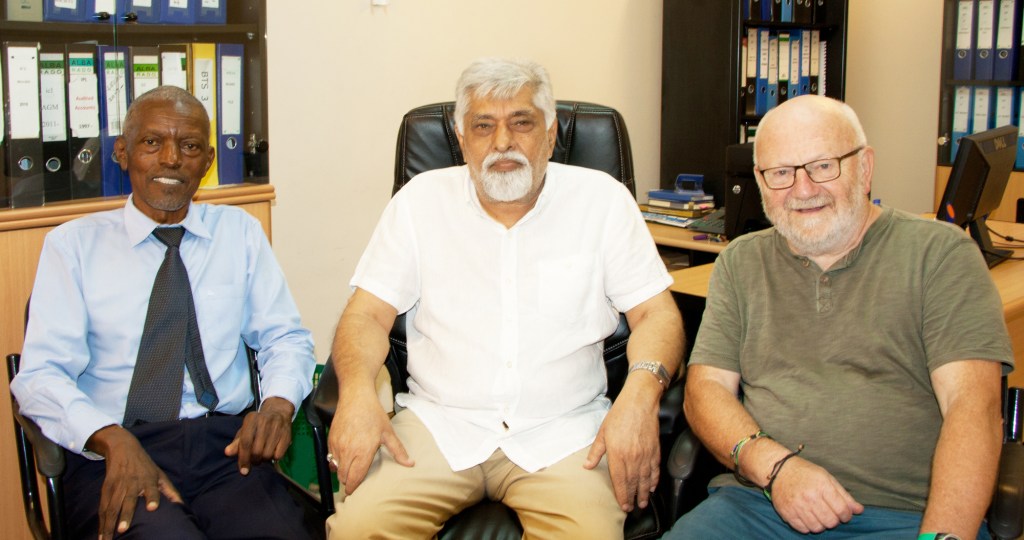
During his visit, Michael met Dr. Paul Mosha and Hussein Rajani, both of whom guided him through the early stages of setting up the project, provided a source of inspiration, and remained his lifelong friends.
Michael returned to Luhimba the following year with his late wife Angela, to find out more about the perceived needs, to help them get what they wanted, and not what we thought they ought to have. In those days Luhimba was very deprived and there was extreme poverty.
On their return to Wrington Michael and Angela held a meeting at the primary school where I was head, to share ideas with children, staff, parents, and villagers about setting up a project to support the village of Luhimba and surrounding areas.
I was so impressed by Michael’s infectious enthusiasm and forward-thinking that I immediately decided to be involved. Little did I realise how that evening would change my life. It was an honour to work with Michael and other members of the committee for the good of Luhimba and to take over the leadership of the project when Michael stepped down, the role I still hold.
Michael set the principles and standards all those years ago and these are still our guidelines upon which the project is based today.
Michael Carey passed away in December 2008 leaving a legacy that has touched the lives of so many people in this remote corner of Africa and will continue to do so for generations to come.
It is also heartwarming to know that several villagers of Wrington who were involved and supported Michael and Angela when they started the project back in 1984 are still sponsors and donors today.
The Luhimba Project is currently led by a small group of volunteers in the UK, who work closely with our friends and colleagues in Luhimba.
By Paul Temple, leader of The Luhimba Project
The Project’s progress from 1980s to present day
In the 1980s, with support from the charity Poweraid, and with local guidance from Dr. Paul Mosha and Hussein Rajani in Tanzania, things started to improve. The approach was to ask the villagers what they needed and work with them to prioritise their needs. Not once have we imposed western ideas on them. In this way, every aspect of the project is within their own culture and understanding. From the early days, priority was given to clean water, education, health, and agriculture, the key areas to promote a better environment for the community.
In 1993 Comic Relief agreed to support the project over a 5-year period, ending on 5 April 1998. During this time the project moved forward in leaps and bounds. Since then we have relied on the donations and generous sponsorship of individuals and organisations mainly from the North Somerset and South Wales areas.
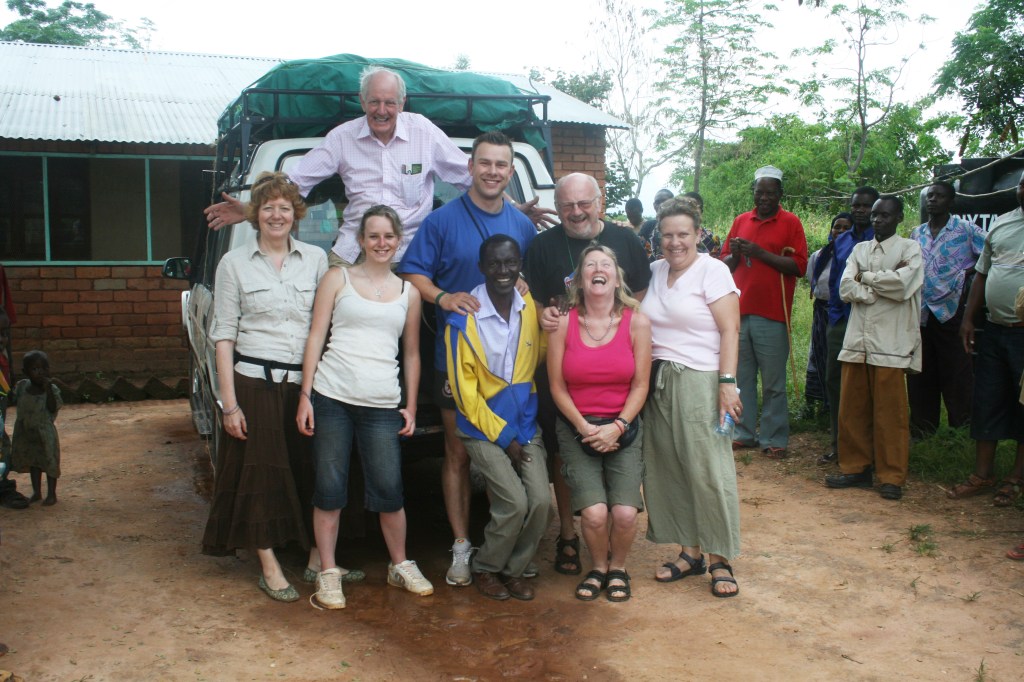
Paul Temple has a house in Luhimba and visits the village, usually accompanied by volunteers from the UK, once or twice a year.
Meet the team!
Our UK team
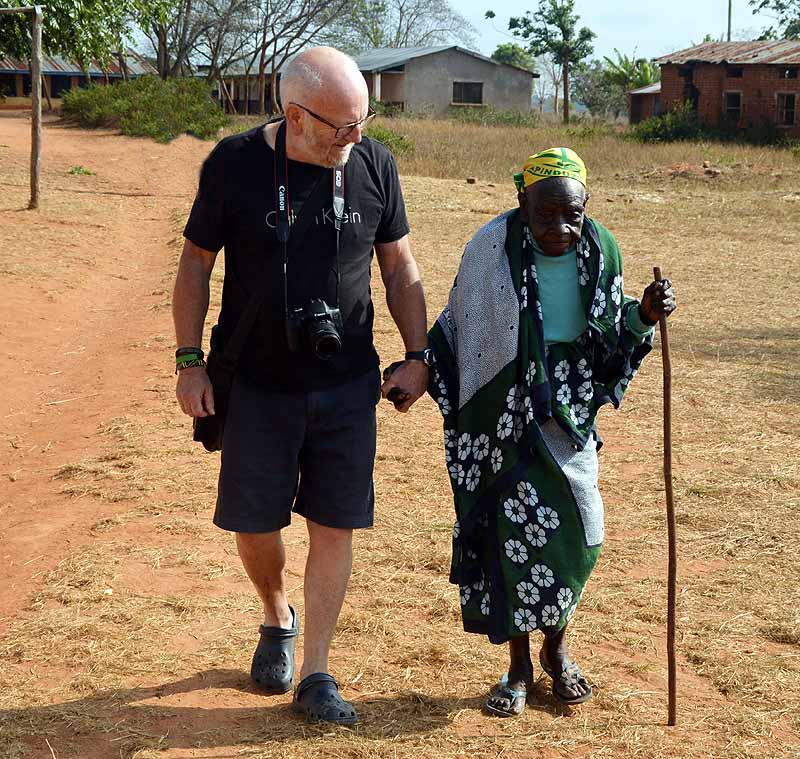
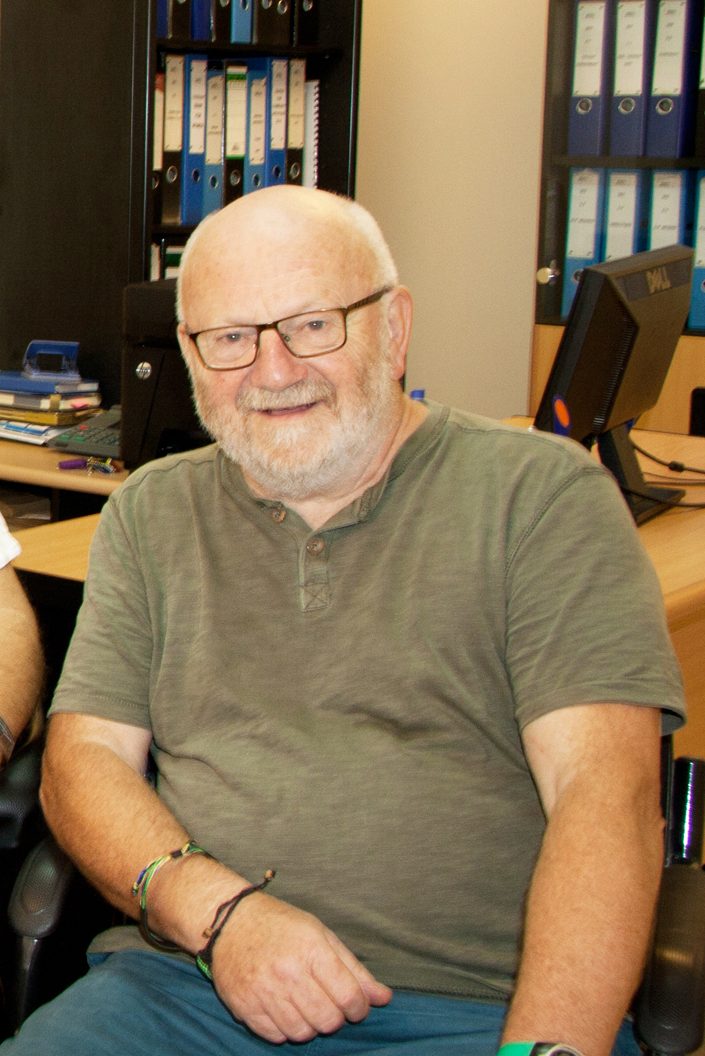
Paul Temple – Chair
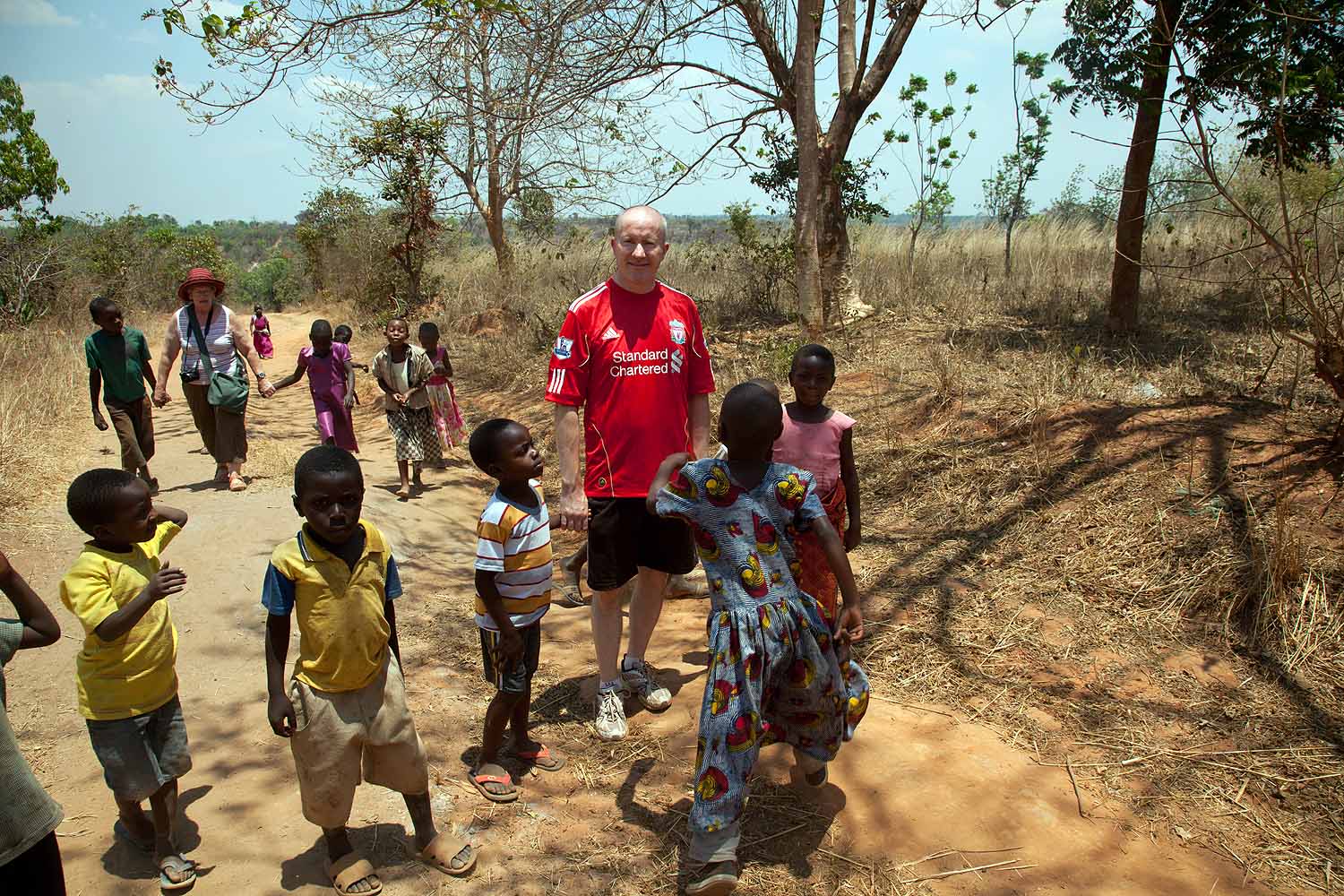
Paul, a former headteacher in North Somerset, is the leader of The Luhimba Project. Since the project has started, he has worked with several schools in the UK to develop multi-cultural links with Tanzanian schools, to encourage better knowledge and mutual understanding of each other’s cultures and lives.

Anna Temple – Trustee
Anna is the sponsorship secretary and has been a trustee of the charity since 2018.

Eleanor and Rob Deane – Trustees
Eleanor and Robert Deane, both former teachers, have supported The Luhimba Project for several years, and have been trustees of the charity since 2018 – when they visited the village.

Daphne Fowler – Patron
Daphne Fowler, formerly of BBC EggHeads, is our patron and has been supporting the project for many years; she has run regular quizzes in aid of Luhimba.
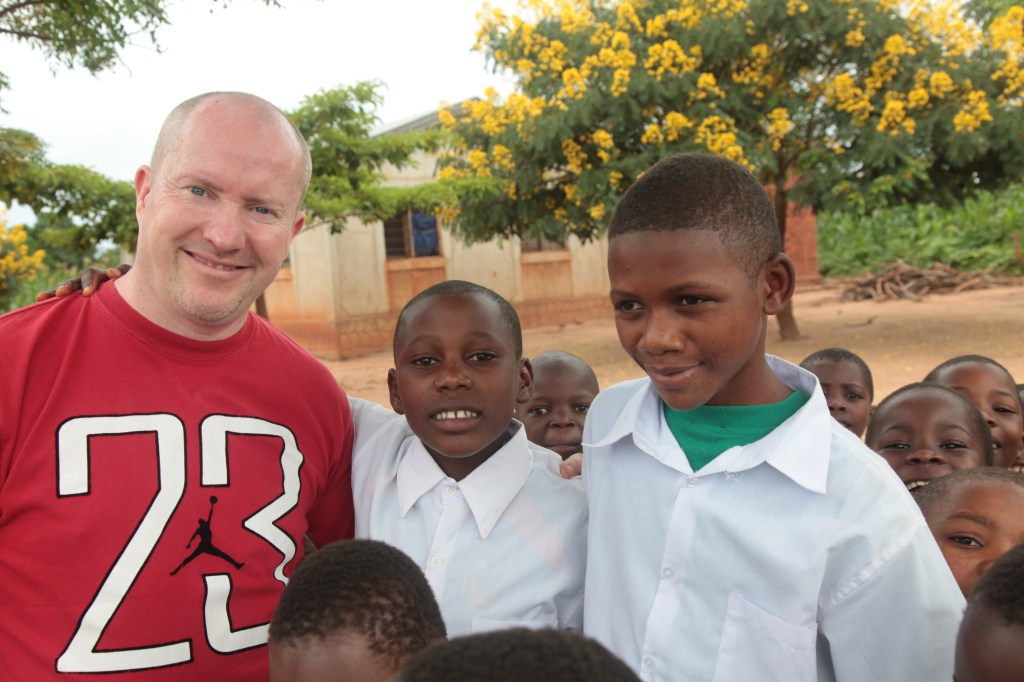
Mark Gower – Sponsor and regular visitor
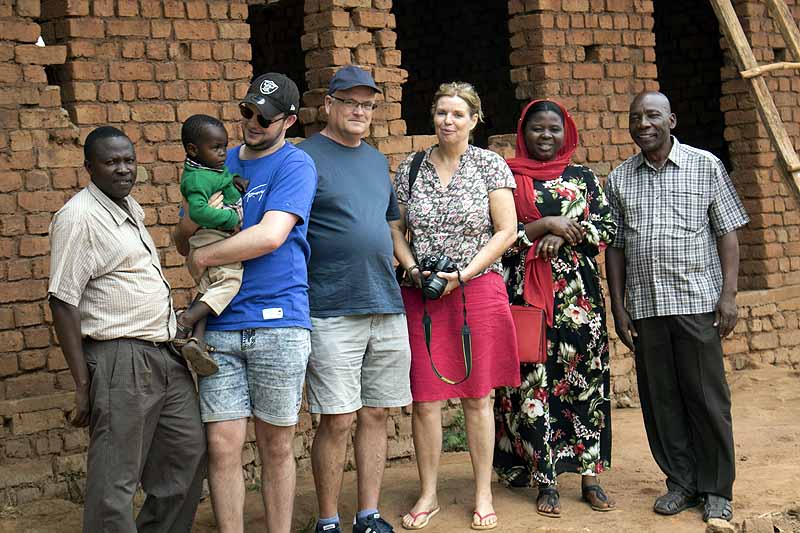
Mark has been a sponsor since 2012 and has visited the village on a regular basis during the past 10 years, making a huge contribution to the development of village projects during that time.
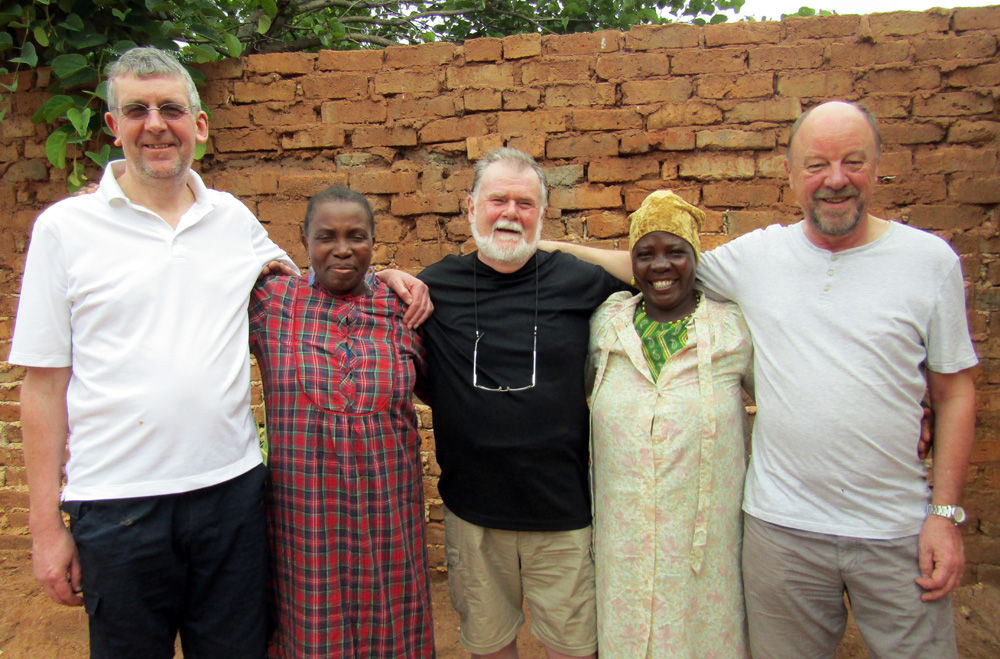
Dave Howes, Noel Hetherington, John Lewis – Sponsors and regular visitors
Dave Howes, Noel Hetherington, and John Lewis have supported the village for a long time and visited Luhimba many times.

Delia Daniels – Fundraiser and sponsor
Delia (left) is a loyal supporter. She has visited the village and has done an amazing amount of fundraising in South Wales where she lives.
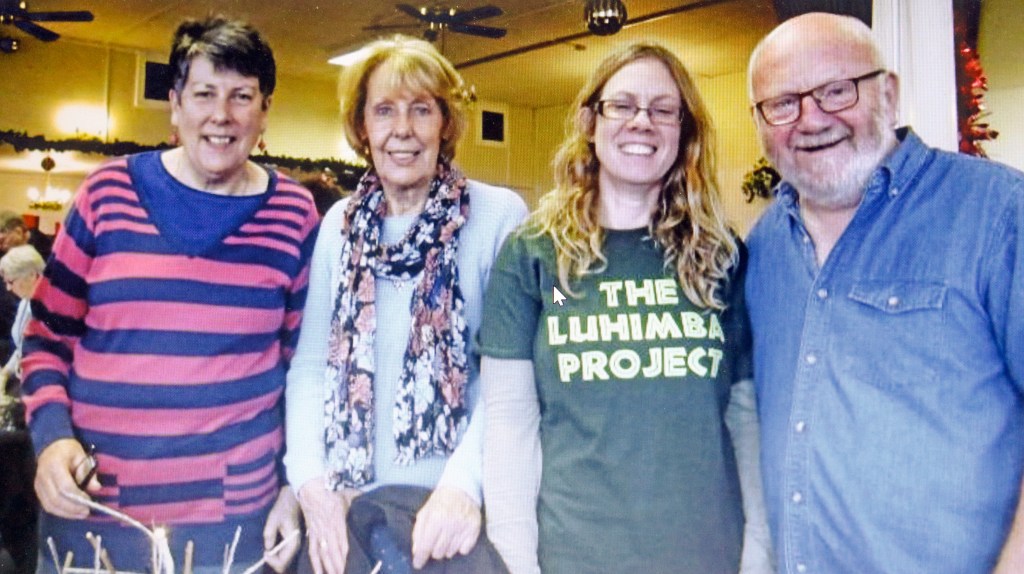
Rowena Keane, Jan Hynes and Anna Matthews
We must also make mention of three, loyal trustees -Rowena Keane, Jan Hynes and Anna Matthews, who stepped down in 2018 after serving the project so efficiently for several years.
UK groups and organisations which have provided tremendous support for Luhimba include:
- Weston Homemakers
- Weston Lions Club
- Weston Ladies Probus
- Just Footcare (Llanelli)
- Hornets Rugby Club
- Ashcombe Primary School
- All Saints Church, Weston
- Weston Athletics Club
- IWEC Electrical Contractors (Kidwelly)
- Llannon Primary School
- Mynyddygarreg and Trimsaran Primary Schools
- Wrington PCC
- Links Ladies
- East Brent Methodist Church
- St Augustine’s Church, Locking
Our team in Tanzania
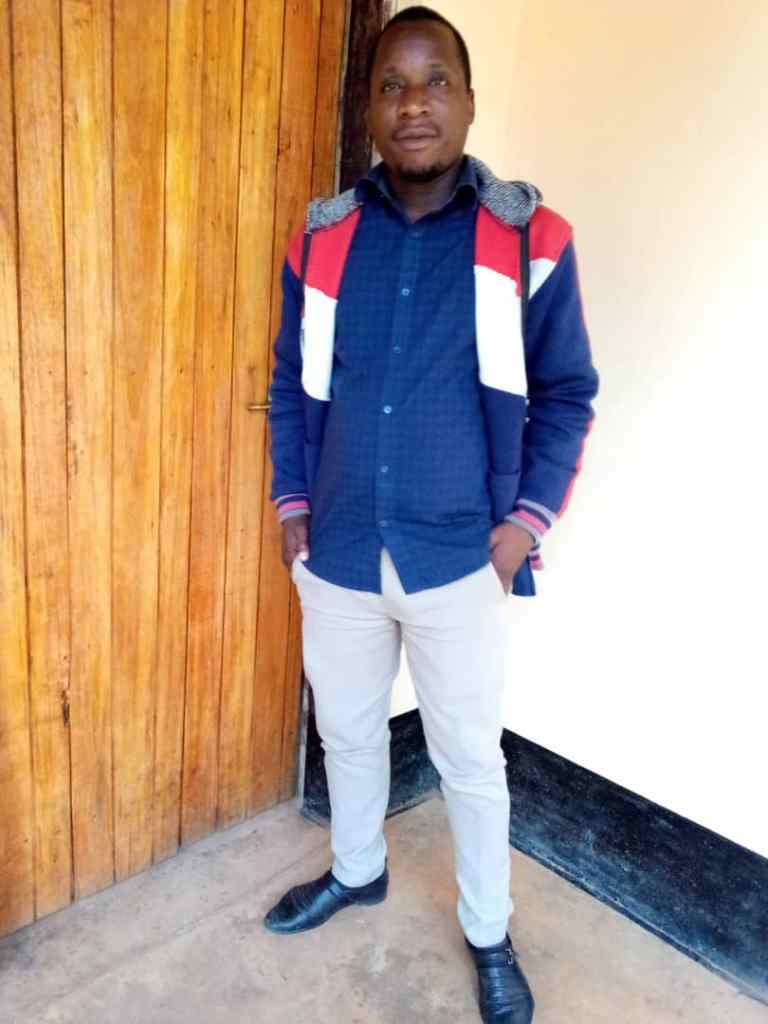
Atwaya Lahi – Project Assistant
Atwaya has lived in Luhimba all his life. When he passed his A-levels, the project sponsored him to attend university in Mwanza. After graduating, he returned to the village to run his own farm and to oversee day-to-day issues, on behalf of the project, working as a link between the project leaders and the village council, a role he fulfills very efficiently, especially since the start of COVID, when it is not possible for us to visit.
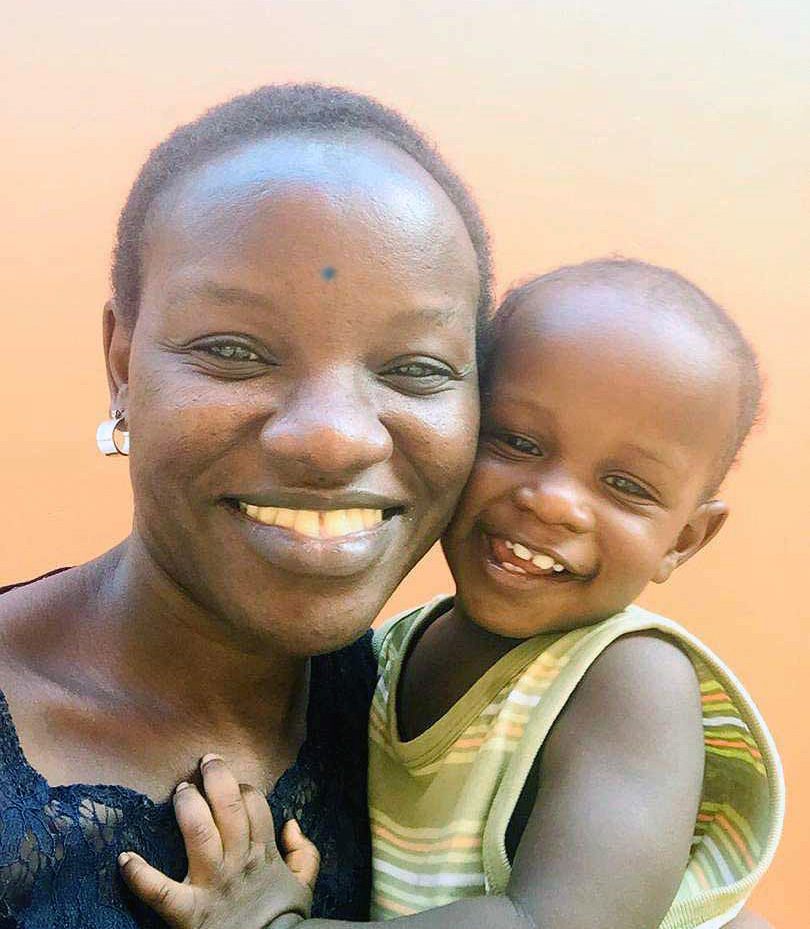
Dianarose Mwanyika – Project Assistant
Similarly, the project sponsored Dianarose to attend university at Dodoma. She graduated a few years ago and now runs her own business in Dar es Salaam. She also takes responsibility for overseeing the treatment of sick children in the village who need long-term support.
 The Luhimba Project